For years, Donald Trump’s endorsement has functioned as the closest thing Republicans have to a political law of gravity. It has propelled challengers over incumbents, ended the careers of dissenters and, more often than not, settled primary contests before voters cast their ballots.
But on Tuesday in Iowa, Trump’s pick for governor lost to a first-time candidate who centered his campaign around fighting corporate agriculture and Big Pharma. The result exposed divisions within a Republican coalition that has often appeared remarkably unified under the President.
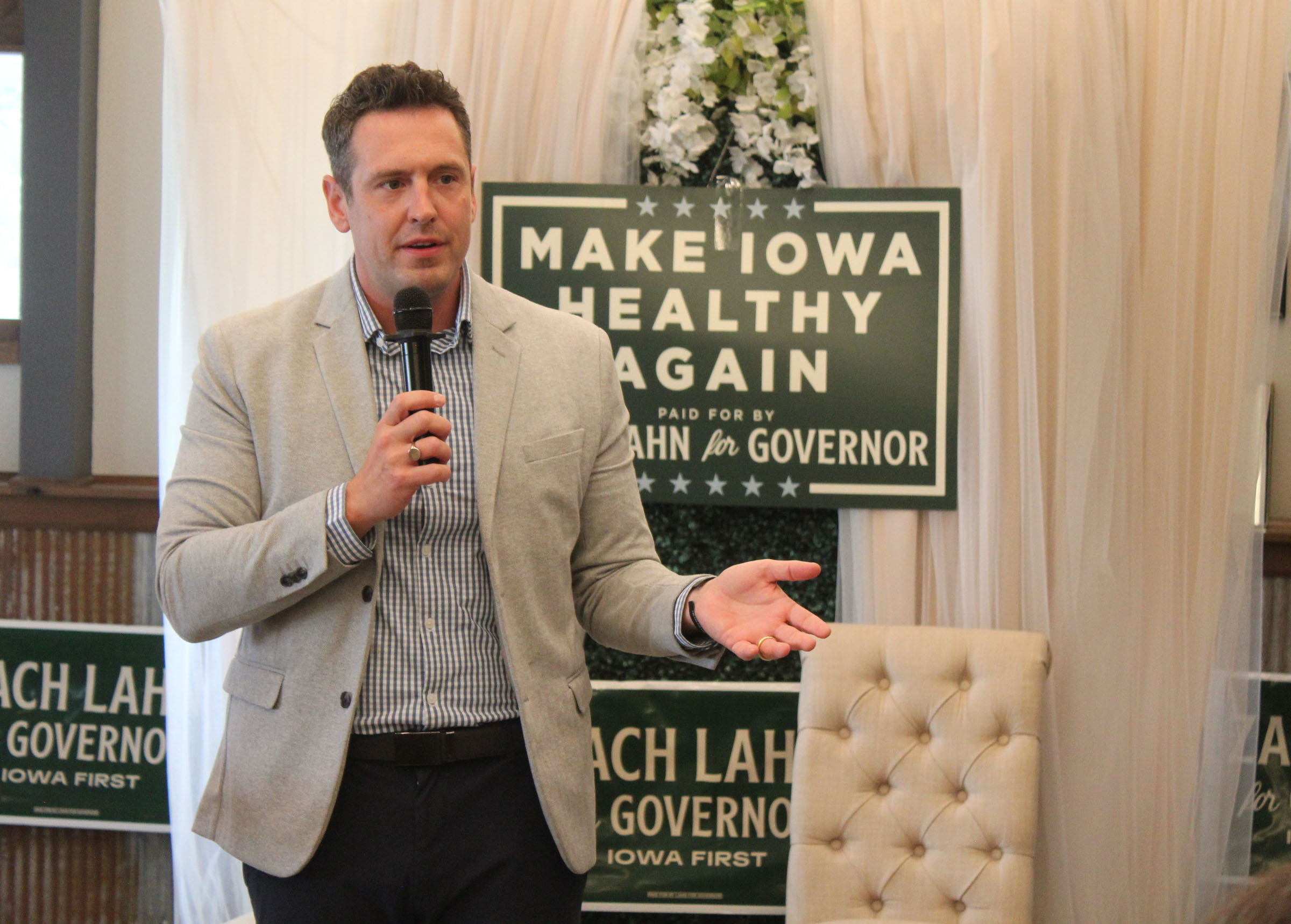
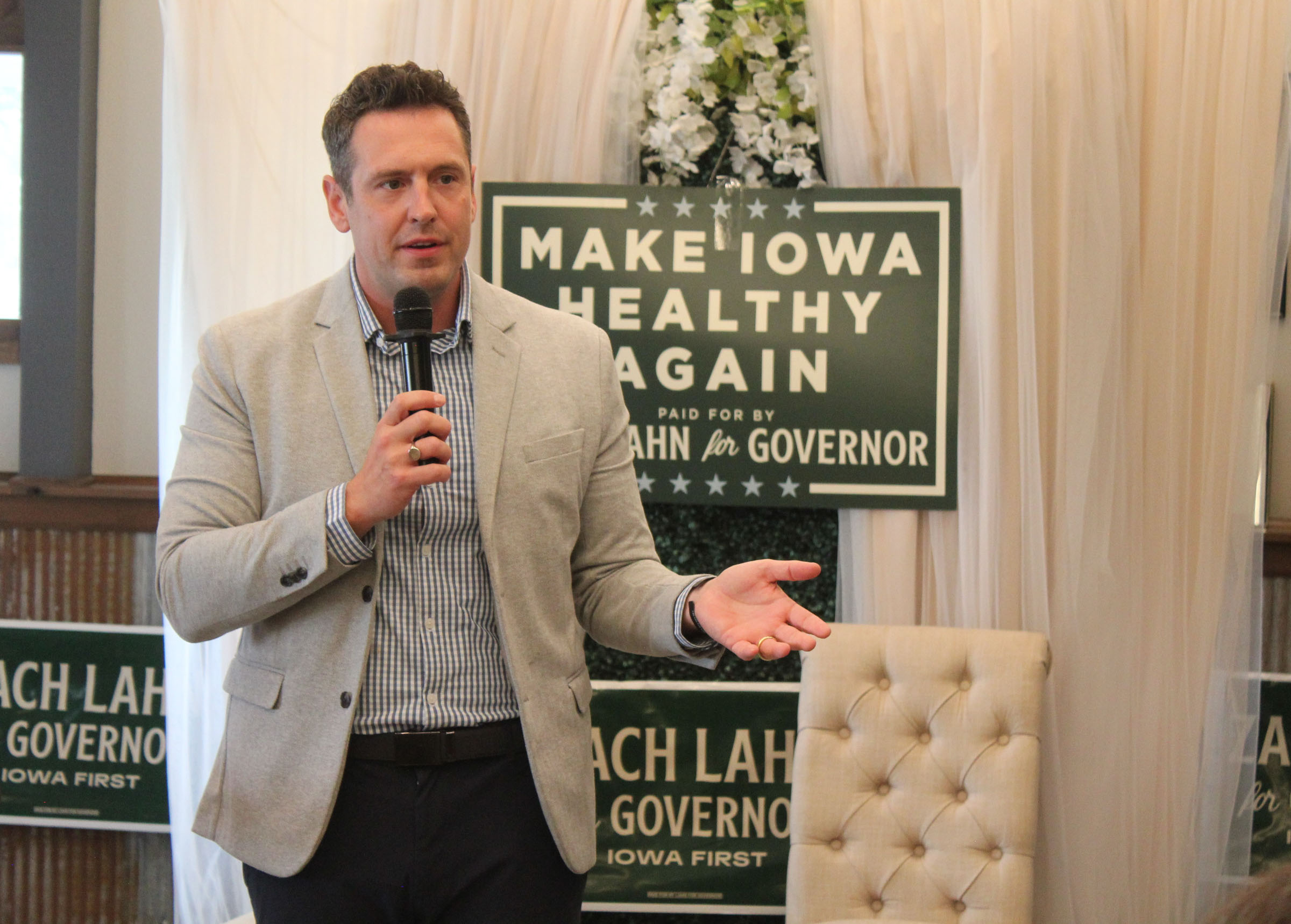
Zach Lahn, a businessman and farmer, narrowly defeated Representative Randy Feenstra in the Republican primary, delivering one of the most significant setbacks to Trump’s political operation since his return to office. The loss was particularly striking because Feenstra had long been viewed as the race’s front-runner. A four-term congressman with support from much of Iowa’s Republican establishment, he secured endorsements from prominent state Republicans including former Gov. Terry Branstad, Senator Joni Ernst and Representative Mariannette Miller-Meeks. Then, four days before the election, Trump weighed in personally, praising Feenstra as “MAGA all the way.”
In most Republican primaries, that would have been enough. Instead, Iowa voters elevated a candidate who ran as an outsider and a vehicle for one of the most restless factions within Trump’s broader political movement: the Make America Healthy Again coalition associated with Health Secretary Robert F. Kennedy Jr. Lahn’s victory suggests that while Republican voters remain overwhelmingly loyal to Trump, many are increasingly willing to prioritize issues somewhat at odds with the President’s agenda.
I will take on the big ag cartels…and I will get Iowa farmers a fair deal.
Throughout the campaign, Lahn fused traditional conservative themes with an aggressive critique of corporate agriculture, pesticide use, and pharmaceutical influence. He called for a total abortion ban, attacked what he described as liberal ideology in schools, and pledged to ban H-1B visa holders from taking jobs in state government and universities. But unlike many Republican candidates, he devoted substantial attention to environmental health concerns, particularly Iowa’s drinking water quality and rising cancer rates.
Read more: Republicans Have a MAHA Problem. Democrats See an Opportunity
At rallies and debates, Lahn argued that Iowa’s political leadership had become too closely aligned with large agricultural interests. He criticized the consolidation of farmland under corporate ownership, opposed liability protections for pesticide manufacturers, and repeatedly connected agricultural chemical use to public-health concerns.
“I will take on the big ag cartels,” Lahn said in his victory speech Tuesday. “I will break up their monopolies, and I will get Iowa farmers a fair deal.”
His message landed in a state where agriculture is both an economic powerhouse and an increasingly contentious political issue. Iowa’s farm lobby remains among the most influential in state politics, and Republican leaders have generally resisted stricter environmental regulations. Yet concerns about nitrate contamination in drinking water have grown more visible, particularly around Des Moines, where water utilities have faced mounting costs to remove pollutants linked to agricultural runoff.
Lahn seized on those frustrations. Rather than treating water treatment upgrades as a long-term solution, he argued that state leaders should focus on reducing pollution at its source by decreasing the nitrate load. He also pointed to Iowa’s cancer statistics, which have become a recurring subject of concern among activists aligned with the MAHA movement.
Those arguments helped transform Lahn from a relatively obscure candidate into a cause célèbre among Kennedy supporters who have become increasingly frustrated with aspects of Trump Administration policy. The coalition that rallied behind Lahn has spent months criticizing the Administration’s support for glyphosate, a widely used herbicide ingredient. Activists grew impatient earlier this year after Trump signed an executive order intended to boost glyphosate production and later protested efforts by Monsanto to secure legal protections from lawsuits.
Conservative influencers associated with Turning Point Action and MAHA organizations portrayed Lahn as a candidate willing to challenge powerful industries that many Republicans have traditionally defended.
Lahn combined that health message with other hard-line positions that appealed to Iowa’s conservative grassroots supporters, including a total ban on abortion and eliminating liberal ideology from schools. He also pledged to bar H-1B visa holders from jobs in state government and public universities, and proposed requiring state contractors to disclose how many Iowans they planned to hire.
By the time Trump endorsed Feenstra, early voting had already been underway for weeks. The failed endorsement does not necessarily signal a broader decline in the President’s influence. Trump-backed candidates have continued to dominate Republican primaries nationwide, including contests this year involving sitting senators and members of Congress. Iowa may ultimately prove to be an exception driven by unique local dynamics, a crowded field, and a late endorsement.
Lahn will face State Auditor Rob Sand, the only Democrat currently holding statewide office in Iowa and a candidate who has spent months preparing for what many Democrats believe is their best opportunity in years to win the governor’s office. Sand has amassed a formidable campaign fund, cultivated a moderate image, and emphasized his rural background in a state that has steadily drifted rightward over the last decade.
Republicans remain favored in a state Trump carried comfortably in 2024. Yet some strategists in both parties have viewed the governor’s race as unusually competitive, prompting some election analysts to classify it as a toss-up.