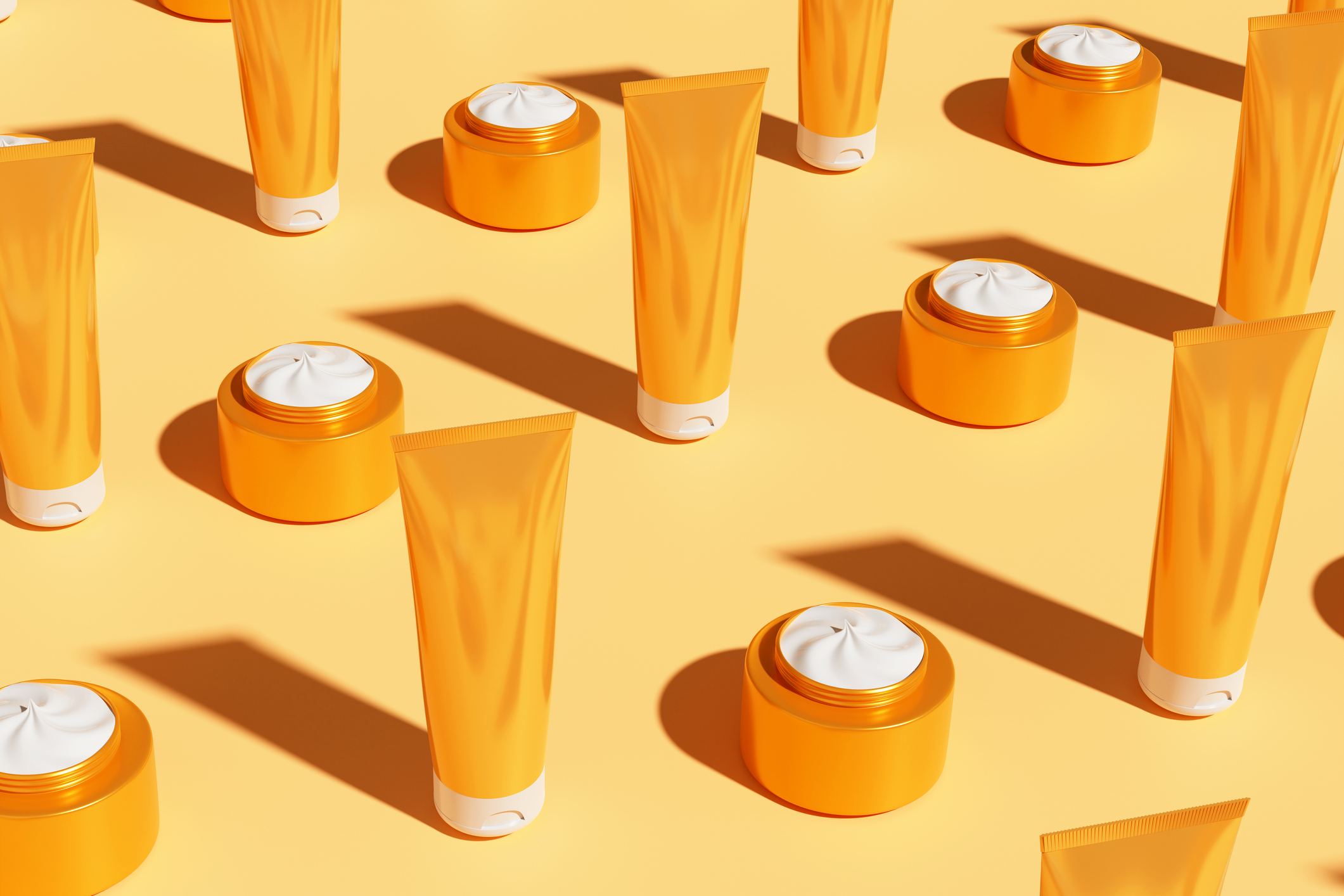
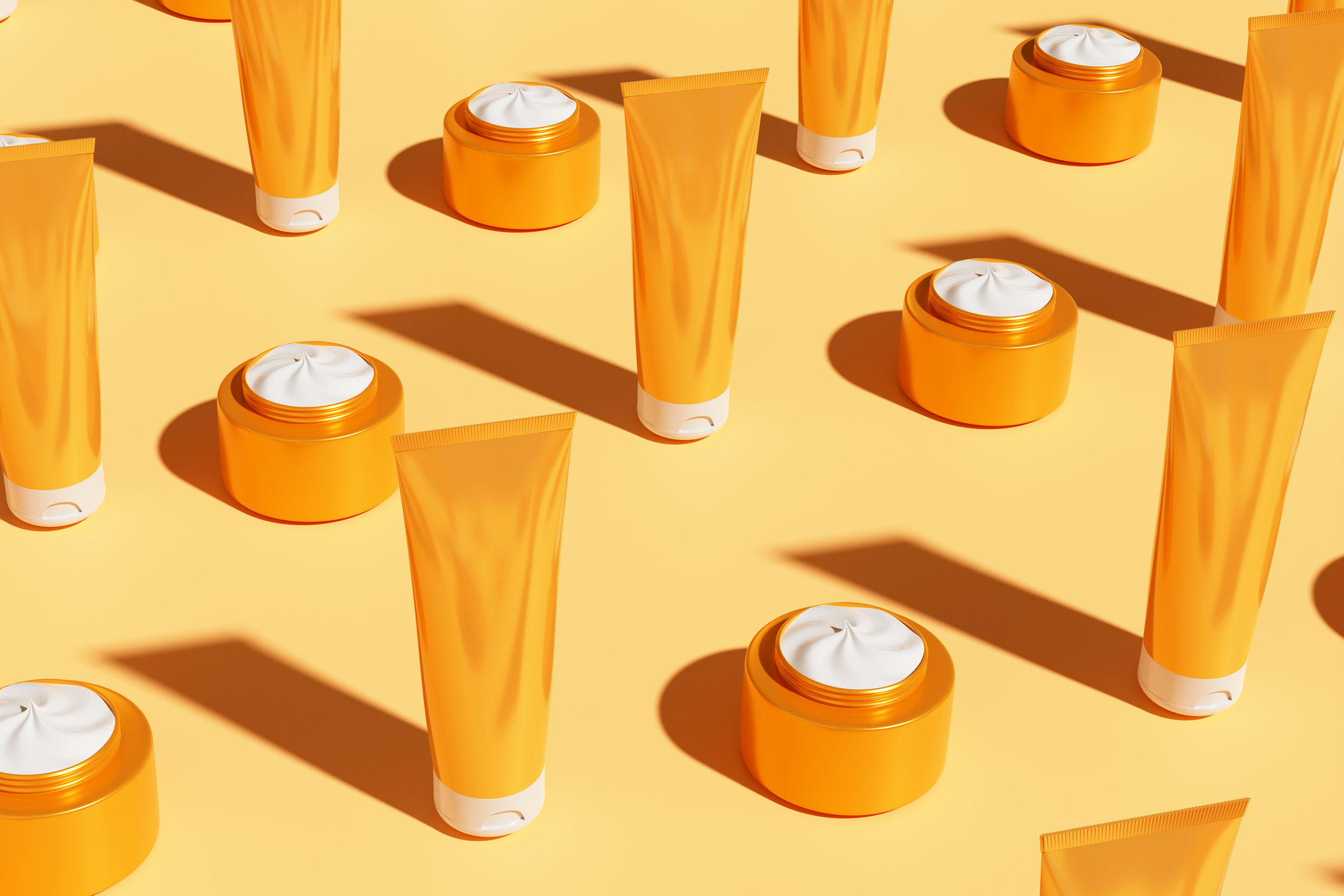
You may soon have another sun-protection option to add to your beach bag: The U.S. Food and Drug Administration has just finalized the approval of the first new sunscreen ingredient to hit the U.S. in decades. Bemotrizinol is a powerful, broad-spectrum blocker of dangerous rays that has been used in Europe and other parts of the world for years, but manufacturers have not been able to use it in American formulations until now.
In recent decades, the U.S. has been far slower than other countries to approve new sunscreen ingredients. They are treated as drugs in the U.S.—not as cosmetics, as sunscreen ingredients are in some other countries—so the tests required for U.S. approval can be lengthy and expensive. But there is a need for new formulations, experts say. Some sunscreen ingredients, such as avobenzone, are not particularly stable in the sun without adding filler, and studies suggest they can make their way into the bloodstream. Mineral sunscreens, while effective, are often greasy and have a white cast to them.
Bemotrizinol is a large enough molecule, however, that it doesn’t absorb through the skin like avobenzone does, and it may lead the way to a better wearing experience, chemist Kelly Dobos recently told TIME. “With bemotrizinol, you can reduce the number of filters and reduce the total percentage of filters, and that helps you get to a more elegant feeling product,” she said.
That means it will be easier for people to protect themselves from the sun. “This is a great day for American consumers and everyone who has fought to improve sunscreen options,” said David Andrews, chief science officer at the Environmental Working Group, a nonprofit, in a statement. “For decades, Americans have used outdated sunscreen tech while the rest of the world moved forward. The approval of bemotrizinol will help change that.”